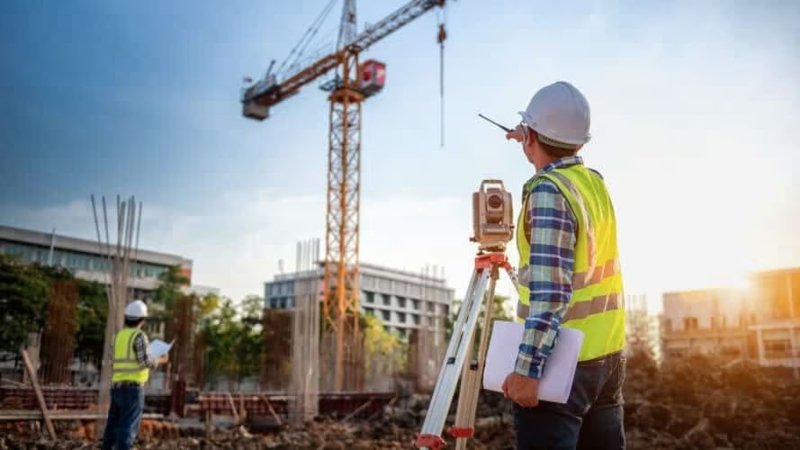
Commercial construction projects require careful planning, coordination, and oversight to ensure success. Whether building a new office complex, renovating a retail property, or expanding an industrial facility, every stage of the process involves multiple stakeholders and countless decisions. Businesses often rely on experienced professionals such as MPS Engineering & Construction to help manage the complexities of commercial projects while maintaining quality, efficiency, and budget control. Understanding the best practices for project management can help property owners and developers avoid costly mistakes and achieve their construction goals.
Understand the Project Scope Clearly
One of the most important steps in managing a commercial construction project is defining the scope from the beginning. A clear scope outlines the project’s objectives, deliverables, timeline, budget, and expectations.
Without a well-defined scope, projects can quickly experience confusion and scope creep, which often leads to increased costs and delays. Before construction begins, all stakeholders should review and approve project requirements to ensure everyone shares the same vision.
A comprehensive project scope should include:
Building specifications
Project goals
Budget limitations
Timeline expectations
Regulatory requirements
Quality standards
Establishing these details early creates a strong foundation for the entire project.
Create a Detailed Construction Plan
A successful commercial construction project requires a thorough plan that serves as a roadmap for all involved parties.
The construction plan should address:
Design schedules
Procurement timelines
Labor requirements
Equipment needs
Milestone deadlines
Inspection schedules
Breaking the project into manageable phases allows teams to track progress more effectively. Detailed planning also helps identify potential challenges before they become significant problems.
Project managers should regularly update plans to reflect changing conditions and maintain alignment with project objectives.
Build the Right Team
Commercial construction projects depend on collaboration among various professionals, including architects, engineers, contractors, subcontractors, suppliers, and inspectors.
Choosing experienced team members can significantly impact project outcomes. Skilled professionals bring expertise that helps solve problems efficiently and maintain quality throughout construction.
When selecting team members, consider factors such as:
Industry experience
Licensing and certifications
Previous project performance
Communication skills
Safety records
Financial stability
A strong team creates a more organized and productive work environment.
Establish a Realistic Budget
Budget management is one of the most challenging aspects of commercial construction.
Many projects exceed their budgets because of poor planning, unexpected costs, or insufficient contingency funds. Establishing a realistic budget from the beginning helps prevent financial issues later.
A comprehensive budget should account for:
Labor expenses
Material costs
Equipment rentals
Permit fees
Design services
Inspection costs
Contingency reserves
Regular budget reviews allow project managers to monitor spending and address issues before they become serious concerns.
Prioritize Effective Communication
Poor communication is a common cause of construction delays, disputes, and errors.
Establishing clear communication channels ensures that all stakeholders remain informed throughout the project lifecycle. Regular meetings, progress reports, and centralized document management systems help improve transparency and accountability.
Communication strategies may include:
Weekly project meetings
Daily site updates
Progress reports
Digital collaboration platforms
Issue tracking systems
When communication is consistent and organized, teams can make informed decisions and resolve challenges more efficiently.
Focus on Scheduling and Time Management
Time management plays a critical role in commercial construction success.
A realistic schedule should account for:
Design completion
Permit approvals
Material procurement
Labor availability
Inspections
Weather conditions
Project managers should continuously monitor progress against established milestones. If delays occur, corrective actions can be implemented before they impact the overall schedule.
Using project management software can improve scheduling accuracy and provide real-time visibility into project status.
Manage Risks Proactively
Every construction project involves risks that can affect timelines, budgets, and quality.
Common risks include:
Weather disruptions
Material shortages
Labor shortages
Safety incidents
Regulatory changes
Design conflicts
Successful project managers identify potential risks early and develop mitigation strategies to reduce their impact.
Risk management plans should be reviewed regularly and updated as project conditions change.
Implement Strong Quality Control Procedures
Quality control ensures that construction work meets project specifications and industry standards.
Without proper quality management, projects may experience defects, rework, and costly repairs.
Effective quality control practices include:
Material inspections
Workmanship reviews
Testing procedures
Compliance audits
Documentation requirements
Quality should be monitored throughout every phase of construction rather than only at project completion.
A commitment to quality helps protect investments and supports long-term building performance.
Emphasize Job Site Safety
Construction sites present numerous hazards that require careful management.
Prioritizing safety protects workers while reducing project disruptions and liability risks.
A strong safety program may include:
Employee training
Hazard assessments
Safety inspections
Protective equipment requirements
Emergency response procedures
Organizations that maintain a strong safety culture often experience fewer accidents and higher productivity levels.
Safety should remain a top priority from project initiation through completion.
Use Modern Construction Technology
Technology has transformed how commercial construction projects are managed.
Modern tools improve efficiency, collaboration, and decision-making throughout the construction process.
Popular technologies include:
Project Management Software
These platforms help manage schedules, budgets, documentation, and communication from a centralized location.
Building Information Modeling (BIM)
BIM enables teams to create digital building models that improve coordination and identify conflicts before construction begins.
Drones
Drones provide aerial views of job sites, helping managers track progress and conduct inspections more efficiently.
Cloud-Based Collaboration Tools
Cloud platforms allow team members to access project information from virtually anywhere, improving communication and responsiveness.
Technology investments often generate significant returns through improved project performance and reduced errors.
Control Change Orders Carefully
Changes are common during commercial construction projects, but uncontrolled changes can create major challenges.
Each change order should be carefully evaluated for its impact on:
Budget
Schedule
Resources
Quality
A structured approval process helps maintain project control while accommodating necessary adjustments.
Proper documentation ensures transparency and reduces the likelihood of disputes among stakeholders.
Maintain Regulatory Compliance
Commercial construction projects must comply with various local, state, and federal regulations.
Failure to meet compliance requirements can result in:
Delays
Fines
Legal complications
Additional costs
Project managers should stay informed about:
Building codes
Zoning regulations
Environmental requirements
Accessibility standards
Workplace safety regulations
Working with experienced professionals helps ensure compliance throughout the project lifecycle.
Strengthen Stakeholder Relationships
Construction projects involve numerous stakeholders with different interests and priorities.
Building strong relationships with stakeholders helps create a collaborative environment that supports project success.
Important stakeholders may include:
Property owners
Investors
Architects
Engineers
Contractors
Government agencies
Future tenants
Transparency, responsiveness, and regular communication help build trust and improve cooperation.
Monitor Project Performance Continuously
Ongoing monitoring is essential for keeping projects on track.
Performance evaluations should focus on:
Budget adherence
Schedule progress
Quality standards
Safety metrics
Resource utilization
Regular reviews allow project managers to identify issues early and implement corrective measures when necessary.
Continuous monitoring improves accountability and supports better decision-making.
Plan for Long-Term Building Performance
Commercial construction decisions should consider the future needs of building owners and occupants.
Factors to evaluate include:
Energy efficiency
Sustainability
Maintenance requirements
Operational costs
Future expansion opportunities
Taking a long-term approach helps maximize the value of the investment while improving building performance over time.
Complete a Thorough Project Closeout
Project closeout is the final stage of construction and should not be overlooked.
Closeout activities typically include:
Final inspections
Punch list completion
Documentation delivery
Warranty information
Equipment training
Occupancy approvals
A thorough closeout process helps ensure a smooth transition from construction to operation.
Proper closeout procedures also reduce future maintenance issues and potential disputes.
Conclusion
Managing commercial construction projects successfully requires a combination of planning, communication, leadership, and attention to detail. From defining project objectives and building the right team to maintaining quality standards and controlling costs, every aspect of project management contributes to overall success. Organizations that follow proven construction management practices are better positioned to complete projects on time and within budget while meeting performance expectations. For businesses seeking professional guidance and commercial construction expertise, mpsgc.com provides valuable resources and services to support successful project outcomes.