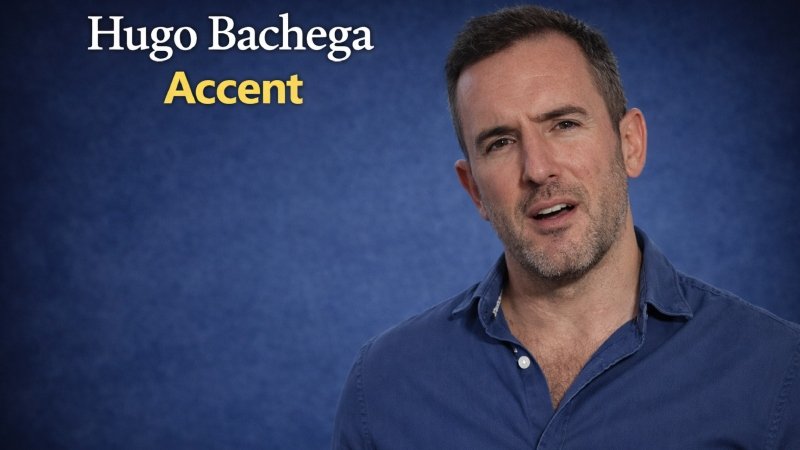
The hugo bachega accent has become a topic of curiosity among many international news viewers. People who regularly watch global news broadcasts often notice his distinctive voice and wonder about its origin. His pronunciation sounds clear and professional, yet it carries subtle influences that make it stand out from typical broadcast accents.
Many viewers search online to understand why his voice sounds different and where it comes from. The hugo bachega accent reflects a combination of cultural background, multilingual experience, and professional journalism training. These elements together create a speaking style that is both unique and globally understandable. Visit worlddigitalbllom.com for more details.
Personal Information
The following table summarizes some basic background details about the journalist.
| Personal Detail | Information |
|---|---|
| Full Name | Hugo Bachega |
| Profession | Journalist / Foreign Correspondent |
| Nationality | Brazilian |
| Languages | Portuguese, English |
| Field | International Journalism |
| Known For | Global news reporting |
| Speaking Style | Clear international broadcast voice |
These details help explain why his pronunciation may sound different from native British broadcasters.
Why People Notice the Hugo Bachega Accent
Viewers often become curious about accents when they hear a voice that does not fit neatly into one category. The hugo bachega accent stands out because it combines clarity with subtle international influences.
Several factors explain why people notice it so quickly.
First, international news audiences come from many countries. When a reporter speaks with a slightly different tone, listeners immediately recognize that it does not belong to one specific regional dialect.
Second, broadcast journalists usually train their voices to sound neutral and easy to understand. This professional training can soften strong regional accents, creating a balanced speaking style.
Finally, multilingual speakers often develop unique pronunciation patterns when they regularly use more than one language.
Together, these elements create a voice that sounds familiar yet slightly different at the same time.
Cultural Roots That Shape His Speech
Language plays a powerful role in shaping how a person speaks English. People who grow up speaking another language usually carry certain pronunciation habits into their second language.
In the case of Hugo Bachega, his first language is Portuguese. Portuguese phonetics influence rhythm, vowel sounds, and sentence melody. When Portuguese speakers learn English, their pronunciation sometimes reflects those natural speech patterns.
For example:
-
Vowel sounds may be slightly more open.
-
The rhythm of speech can feel smoother or more melodic.
-
Some consonants may sound softer compared to typical English pronunciation.
These small differences do not affect understanding. In fact, they often make a voice sound distinctive and memorable.
The Role of Global Journalism in Voice Development
Journalists who work internationally interact with people from many linguistic backgrounds. Over time, their speaking style evolves to become more neutral and globally accessible.
News organizations encourage reporters to communicate in a way that audiences around the world can easily follow. This usually involves:
-
Slower, clearer pronunciation
-
Balanced tone without strong regional influence
-
Consistent pacing while speaking
Because of this training, a journalist may gradually develop a hybrid speaking style. This is often referred to as an international broadcast accent.
The hugo bachega accent reflects this professional adaptation. It blends elements of his native linguistic background with the clarity required for international reporting.
How Multilingualism Influences Pronunciation
Learning multiple languages changes how the brain processes sound. Linguists have long observed that bilingual and multilingual speakers often develop flexible pronunciation patterns.
Several interesting things happen when someone regularly speaks two languages.
Speech Rhythm
Different languages have unique rhythms. Portuguese tends to have a flowing, musical quality, while English often relies on stressed syllables. When these rhythms mix, the result can be a distinctive speaking pattern.
Vowel Variation
Languages vary greatly in how vowels are pronounced. Portuguese vowels may remain slightly open when a speaker uses English, creating subtle differences in tone.
Sentence Melody
Every language has its own melody, sometimes called intonation. Multilingual speakers often carry this melodic pattern into other languages.
Because journalists constantly switch between languages while interviewing people or reporting abroad, their speech patterns naturally adapt over time.
Why Neutral Accents Are Important in News Broadcasting
In international news reporting, clarity matters more than regional identity. A broadcaster must speak in a way that viewers across continents can easily understand.
For this reason, many journalists adopt a neutral speaking style. This does not mean they lose their identity. Instead, they adjust their pronunciation slightly to improve comprehension for a global audience.
Key characteristics of international broadcast speech include:
-
Clear articulation
-
Controlled pacing
-
Balanced pronunciation
-
Minimal regional slang
These characteristics help ensure that the message remains the focus rather than the accent itself.
The Global Nature of Modern Journalism
Modern news reporting is more international than ever before. Stories travel instantly across borders, and audiences from different cultures watch the same broadcasts.
Because of this global reach, journalists often develop communication styles that cross linguistic boundaries. Their voices become a blend of professional training and cultural background.
This is why viewers sometimes find it difficult to classify certain accents. They may hear traces of multiple linguistic influences combined with the clarity of broadcast speech.
The hugo bachega accent reflects this modern reality. It represents the voice of a journalist working in an interconnected media environment.
Why Audiences Are Curious About Accents
Curiosity about accents is completely natural. A person’s voice reveals many aspects of their identity, including cultural background, education, and professional experience.
When audiences hear a unique speaking style, they often search online to learn more about the individual behind the voice.
Common reasons for this curiosity include:
-
Interest in language and pronunciation
-
Desire to understand a journalist’s background
-
Fascination with global communication styles
Accents also create a sense of authenticity. They remind listeners that international journalism is produced by people from many cultures working together.
How Media Exposure Shapes Public Perception
When a journalist regularly appears on television, viewers become familiar with their voice. Over time, small details of speech become recognizable traits.
This familiarity can lead audiences to associate certain qualities with a voice, such as credibility, calmness, or authority.
A clear and balanced speaking style often strengthens a journalist’s reputation. It allows viewers to focus on the information being delivered rather than struggling to understand the words.
That is one reason why international reporters carefully refine their pronunciation and delivery style.
Accent Diversity in Global Media
One of the most interesting aspects of modern journalism is the diversity of voices heard on international broadcasts. Unlike earlier decades, news organizations now employ reporters from many linguistic backgrounds.
This diversity enriches the global media landscape. It also reflects the reality that news is produced by professionals from all over the world.
Instead of expecting every journalist to sound the same, audiences increasingly appreciate different speaking styles. Distinctive accents remind viewers that journalism is truly international.
The hugo bachega accent illustrates this diversity. It shows how cultural identity and professional communication can exist together.
Conclusion
Accents tell stories about language, culture, and personal experience. In international journalism, they also reflect the global nature of modern media.
The hugo bachega accent stands out because it blends clarity, professionalism, and subtle cultural influence. Shaped by multilingual communication and international reporting, his voice demonstrates how journalists adapt to reach audiences around the world.
Rather than fitting into a single category, his speaking style represents a modern global accent — one designed for clear communication across borders.
As international news continues to connect people worldwide, voices like his remind us that journalism is not limited to one country or one language. It is a truly global conversation.