Product identification is one of the most important parts of modern business operations. Whether a company sells products online, in retail stores, or across international marketplaces, having a reliable system for tracking inventory and managing product information is essential. This is where UPC codes play a major role.
Businesses around the world rely on UPC codes to organize products, simplify checkout systems, improve inventory management, and increase sales efficiency. Companies that sell products through major retailers and online marketplaces often need authentic UPC codes to ensure their items can be properly identified and distributed.
Many businesses choose trusted providers like UPCs.com to obtain authentic GS1 UPC codes quickly and efficiently for use across global retail and eCommerce platforms.
What Is a UPC Code?
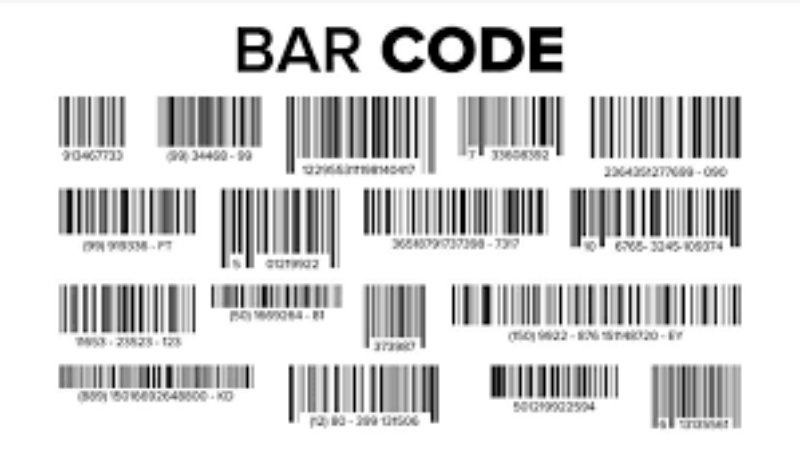
A UPC code, or Universal Product Code, is a barcode system used to identify products in retail and online stores. Each UPC contains a unique number assigned to a specific product, allowing retailers, distributors, warehouses, and online platforms to recognize and track items accurately.
UPC codes are commonly found on:
Consumer packaged goods
Electronics
Clothing and accessories
Food products
Beauty and skincare items
Home supplies
Health products
Pet supplies
When scanned, a UPC code instantly provides product identification information that helps businesses process sales, track inventory, and manage supply chains.
Why UPC Codes Matter for Businesses
Modern retail depends heavily on automation and accurate product identification. Without UPC codes, inventory systems become inefficient and error-prone.
UPC codes help businesses:
Improve inventory tracking
Reduce checkout errors
Speed up retail operations
Organize warehouses efficiently
Simplify online product listings
Increase supply chain accuracy
Improve customer satisfaction
Retailers and marketplaces often require UPC codes before allowing products to be listed or sold. This makes UPC codes essential for businesses that want to expand into larger markets.
Better Inventory Management
One of the biggest advantages of UPC codes is improved inventory management. Tracking products manually can lead to mistakes, misplaced inventory, and inaccurate stock counts.
UPC barcode systems automate inventory tracking by allowing products to be scanned instantly. This helps businesses monitor:
Stock levels
Product movement
Sales trends
Restocking needs
Warehouse organization
Accurate inventory management reduces the risk of overselling or running out of stock. It also helps businesses make smarter purchasing decisions based on real sales data.
Companies with large product catalogs especially benefit from UPC systems because they simplify complex inventory operations.
Faster Checkout and Improved Customer Experience
Customers expect fast and accurate checkout experiences both in physical stores and online marketplaces. UPC codes help retailers process transactions quickly using barcode scanners.
Instead of entering product information manually, employees can simply scan the barcode to retrieve pricing and product details instantly.
This provides several benefits:
Faster checkout times
Reduced human error
Better customer satisfaction
More accurate pricing
Improved transaction records
A smooth checkout process creates a better shopping experience and encourages repeat customers.
Essential for Online Selling
Online marketplaces such as Amazon, Walmart, and eBay often require UPC codes for product listings. UPCs help these platforms identify products and organize their catalogs efficiently.
Without valid UPC codes, businesses may face:
Listing restrictions
Product duplication issues
Marketplace compliance problems
Reduced product visibility
Delays in product approval
For businesses entering eCommerce, obtaining authentic UPC codes is a critical step toward building a professional and scalable online presence.
UPC Codes Improve Product Distribution
Product distribution becomes much more efficient when every product has a unique identifier. Distributors, warehouses, and retailers use UPC codes to track products throughout the supply chain.
This improves:
Shipping accuracy
Warehouse efficiency
Product tracking
Delivery speed
Restocking processes
Efficient distribution systems reduce operational costs and help businesses respond more quickly to customer demand.
As supply chains become more global, accurate product identification is increasingly important for avoiding delays and inventory confusion.
Reducing Human Errors
Manual inventory systems often lead to data entry mistakes that can affect sales and customer satisfaction. Barcode scanning significantly reduces these errors.
UPC codes help businesses avoid:
Incorrect pricing
Inventory mismatches
Duplicate product entries
Shipping mistakes
Order fulfillment errors
Reducing errors saves time and money while improving operational reliability.
Improving Retail Store Operations
Retail stores handle thousands of transactions and inventory updates daily. UPC systems simplify these operations by automating product identification.
Store managers can use barcode systems to:
Monitor inventory levels in real time
Track fast-selling products
Analyze customer buying trends
Manage promotional pricing
Improve restocking efficiency
This data helps retailers make smarter business decisions and optimize their product offerings.
Helping Small Businesses Compete
Small businesses often face challenges competing with larger retailers. UPC codes help level the playing field by giving smaller companies access to professional inventory and retail systems.
Using UPC codes allows small businesses to:
Sell on major marketplaces
Improve inventory organization
Build customer trust
Expand distribution channels
Scale operations more effectively
Professional product identification systems also make small businesses appear more credible to retailers and customers.
Why Authentic GS1 UPC Codes Matter
Not all UPC codes are equal. Authentic GS1 UPC codes are recognized globally and accepted by major retailers and online marketplaces.
Using reliable UPC codes helps businesses avoid listing issues and ensures smoother integration with retail systems.
Authentic GS1 codes are especially important for businesses planning to:
Sell internationally
Expand into retail chains
Launch large product catalogs
Improve supply chain management
Build long-term brand credibility
Businesses should work with reputable UPC providers to ensure their codes are valid and ready for immediate use.
Supporting Multi-Channel Selling
Today’s businesses often sell products through multiple channels, including:
Retail stores
Company websites
Amazon
Walmart Marketplace
eBay
Wholesale distributors
International marketplaces
Managing inventory across multiple platforms can become difficult without standardized product identifiers.
UPC codes simplify multi-channel selling by ensuring products are consistently identified across all sales channels.
This reduces confusion and improves synchronization between inventory systems.
Enhancing Warehouse Efficiency
Warehouses depend heavily on barcode systems to manage inventory movement efficiently. UPC codes help warehouse teams:
Locate products quickly
Process shipments accurately
Track incoming inventory
Reduce picking errors
Improve organization
Efficient warehouse operations help businesses fulfill orders faster and reduce shipping delays.
As businesses grow, warehouse management becomes increasingly important for maintaining customer satisfaction.
Improving Data and Sales Analytics
UPC systems provide businesses with valuable data about product performance. Every barcode scan generates useful information that can be analyzed to improve operations.
Businesses can track:
Best-selling products
Seasonal sales patterns
Inventory turnover
Customer purchasing trends
Product demand
This information helps companies make better decisions about pricing, promotions, inventory planning, and product development.
Supporting International Business Growth
UPC codes are recognized globally, making them essential for businesses planning international expansion.
International retailers and distributors rely on barcode systems to manage product identification consistently across regions.
Businesses using authentic UPC codes can:
Enter new markets more easily
Work with international distributors
Improve global inventory management
Meet retailer requirements worldwide
Global commerce continues to grow rapidly, and standardized product identification systems help businesses scale efficiently.
Building Customer Trust
Professional product packaging with valid UPC codes creates a more trustworthy image for consumers.
Customers often associate barcode systems with:
Product authenticit
Professionalism
Retail readiness
Reliable inventory management
A professional appearance can influence purchasing decisions and improve customer confidence.
For businesses selling online, valid UPC codes also help customers find products more easily through search systems and marketplace catalogs.
Common Industries That Use UPC Codes
Almost every industry benefits from UPC barcode systems. Common industries include:
Retail
Retail stores rely heavily on barcode scanning for inventory management and checkout operations.
Food and Beverage
UPC codes help food manufacturers track products throughout distribution networks.
Beauty and Cosmetics
Beauty brands use UPC systems to organize product catalogs and support retail partnerships.
Electronics
Electronic products often require precise inventory tracking and warranty management.
Health Products
Healthcare and wellness companies use UPC codes for inventory accuracy and product identification.
Clothing and Fashion
Fashion retailers manage large inventories with barcode systems that track product sizes, colors, and styles.
Choosing the Right UPC Provider
Businesses should carefully choose a UPC provider to ensure they receive authentic and reliable codes.
A good UPC provider should offer:
Authentic GS1 UPC codes
Instant code delivery
Worldwide compatibility
Retail and marketplace acceptance
Responsive customer support
Easy purchasing process
Reliable UPC providers help businesses avoid technical problems and marketplace listing issues.
Future of UPC Technology
Barcode technology continues evolving as businesses adopt more advanced inventory systems and digital retail tools.
Future improvements may include:
Smarter inventory automation
Enhanced product tracking
Faster checkout systems
Better supply chain visibility
Improved customer data insights
Even with technological advancements, UPC codes remain one of the most widely used product identification systems worldwide.
Their simplicity, reliability, and compatibility make them essential for modern commerce.
Tips for Businesses Using UPC Codes
Businesses can maximize the benefits of UPC systems by following best practices.
Keep Product Information Accurate
Ensure product details match the assigned UPC code to avoid listing and inventory issues.
Use Quality Barcode Printing
Poor barcode printing can cause scanning problems and checkout delays.
Organize Inventory Systems
Integrate barcode systems with inventory management software for better efficiency.
Train Employees Properly
Staff should understand how barcode systems work to reduce operational mistakes.
Work with Trusted Providers
Using authentic UPC codes from reputable providers helps businesses avoid compatibility problems.
Final Thoughts
UPC codes play a critical role in modern retail, eCommerce, inventory management, and product distribution. They help businesses improve operational efficiency, reduce errors, enhance customer experiences, and expand into larger markets.
Whether a company sells products online, in retail stores, or through global distributors, having authentic UPC codes is essential for long-term growth and scalability.
Businesses looking for reliable barcode solutions can obtain authentic GS1 codes through UPCs.com, helping them streamline inventory management, improve product distribution, and support successful retail operations worldwide.